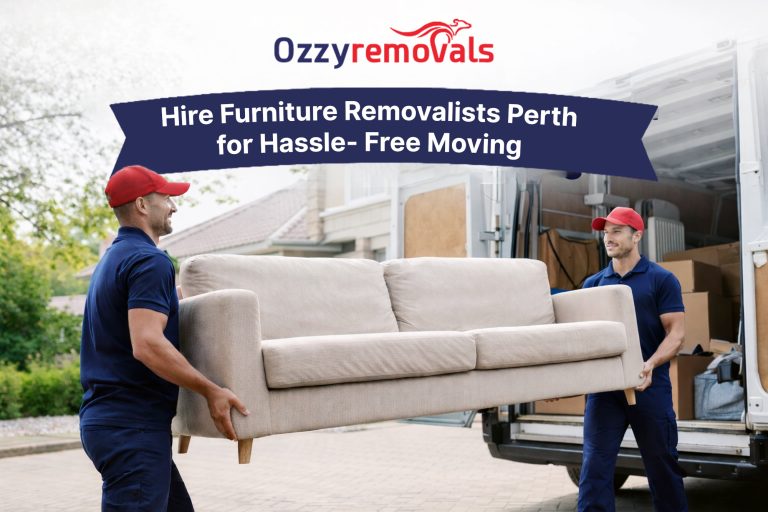

Nobody wants to pull their couch off the truck and find a tear in the fabric that wasn’t there when it went on. Or unwrap the dining table at the new place and find a chunk missing from the corner. It’s gutting. And almost every time it happens, it is completely preventable.
We’ve done hundreds of furniture removals across Australia at Ozzy Removals. Household furniture removal, office furniture removals, interstate furniture removals that take days on the road. And the damage we see? It almost never comes from some freak accident. It comes from small things that nobody thought to sort out before moving day.
The Real Reason Furniture Gets Damaged During Removals
It’s not usually a dramatic moment. It’s a drawer that wasn’t secured sliding open in transit and gouging the piece next to it. It’s a corner that wasn’t wrapped, catching the edge of a doorframe on the way out. It’s two pieces of furniture sitting against each other in the truck for three hours with nothing between them.
Once you understand where the risk actually sits, protecting your furniture becomes pretty simple. It’s not about bubble wrapping everything within an inch of its life. It’s about covering the right spots, securing the right things, and loading the truck the right way.
Take It Apart Before You Move It
For anything large, disassembly is your best friend. Beds, wardrobes, bookshelves, dining tables with removable legs broken down into parts, all of it is easier to carry, easier to wrap, and significantly less likely to get damaged going through doorways and into the truck.
A full wardrobe moving as one unit is awkward, heavy, and hard to protect. The same wardrobe in flat panels wraps cleanly, loads easily, and arrives without a scratch.
Before you touch a single bolt, take photos. A couple of angles per piece. When you’re standing in the new place trying to rebuild a bed frame you dismantled three weeks ago, those photos are worth their weight in gold. Screws and fittings go into a labelled ziplock bag, one bag per piece of furniture, taped directly to that piece. Not one big bag with everything mixed together. That way leads to chaos.
Wrap Everything That Can Get Marked
Timber scratches. Glass shatters. Metal legs dent. The edges of a coffee table will find a way to dig into whatever’s next to them. Anything with a hard surface or a sharp edge needs wrapping before it goes near a truck.
Furniture blankets are the go-to for large pieces. They’re thick, they protect surfaces from impact and friction, and a good removalist will have them. If you’re handling any part of the move yourself, hire or buy a set, they’re not expensive and they make a real difference, especially on longer interstate furniture removals where everything’s in the truck for hours.
For anything more delicate, glass tabletops, mirrored panels, painted surfaces add bubble wrap under the blanket. And when you’re taping things down, keep the tape off the furniture surface itself. Tape adhesive pulls finishes off timber and leaves marks that are a proper pain to deal with.
Corners Are Where Damage Happens
Ask anyone who’s done a lot of furniture removals and they’ll tell you the same thing, corners take the most punishment. They’re the first thing to catch on a doorframe, the first thing to dig into the piece next to them in the truck, the first thing to hit the ground if something gets put down at a bad angle.
Foam corner protectors cost almost nothing and do a proper job. Put them on every exposed corner of timber furniture, cabinets, and shelving units before wrapping. For table legs and chair legs, wrap individually with bubble wrap or foam tubing, the pipe insulation kind you get from the hardware store works perfectly and costs next to nothing.
Lock Down Drawers and Doors
A drawer that slides open in a moving truck is a problem. It can damage the furniture, damage whatever’s near it, and be a hazard for anyone moving around in the back of the truck. Same goes for cabinet doors, glass fronts, anything that can swing or shift.
Stretching the stuff that comes on a roll is the easiest fix. Wind it several times around the piece to hold everything shut. It doesn’t leave residue, peels off easily at the other end, and keeps everything locked in place for the whole trip.
For anything with glass panels, display cabinets, china hutches, bookcases with glass doors tape a big X across the glass with masking tape before you wrap it. If the glass cracks despite everything, the tape holds the pieces in place instead of letting them go everywhere.
Loading the Truck Properly
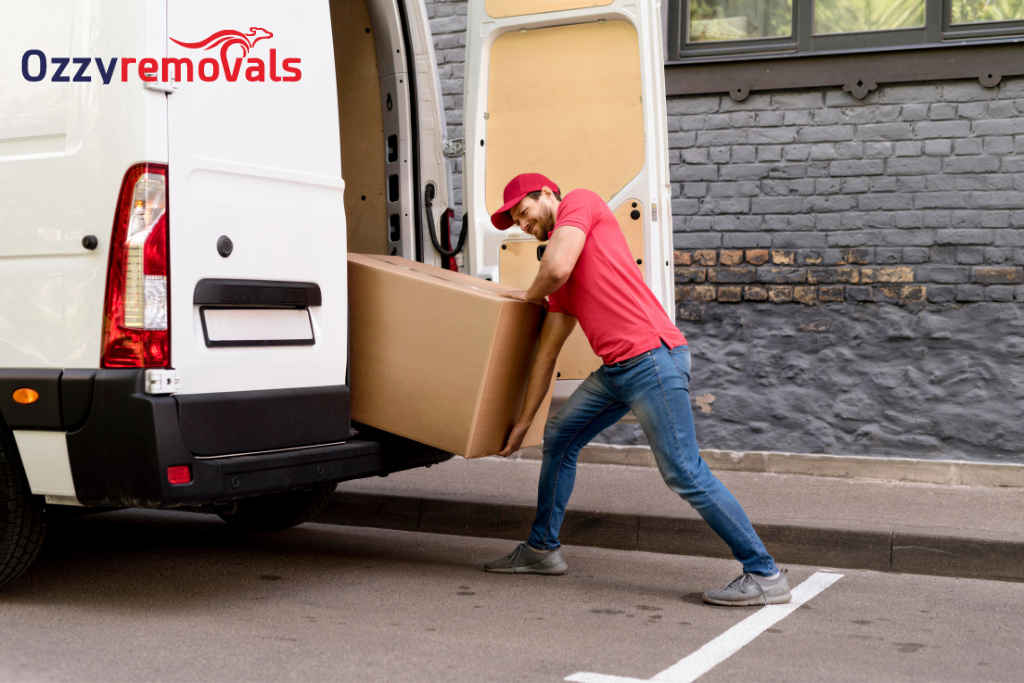
How the truck gets loaded matters just as much as how the furniture gets wrapped. Heavy pieces go in first, against the walls. Sofas, wardrobes, fridges form the base and the structure. Lighter items and boxes go in after, on top and around them.
Mattresses go on their side. Not flat on the floor with boxes stacked on top. Mattresses aren’t built to take weight from above and can be permanently deformed that way.
Fill every gap. Cushions, pillows, folded blankets, anything soft that stops furniture from shifting around in transit. On short local moves this matters. On interstate furniture removals where everything’s on the road for a day or more, it really matters. Small movements over a long distance add up fast.
Office Furniture Removals Are a Different Beast
Office furniture removals need a bit more planning than a standard household furniture removal. Desks with built-in cable management, monitor arms, ergonomic chairs with a dozen adjustable parts, filing cabinets full of years of paperwork, all of it needs thinking through properly.
Empty the filing cabinets before moving day. Even if they lock, full drawers put serious stress on the cabinet structure and make them a nightmare to move safely. Pack the contents into boxes, labelled by drawer or file category, and move them separately.
Glass desk panels and whiteboards travel upright where possible, not flat. Flat means weight can end up on them. Upright means they’re travelling the same way glass is designed to handle stress.
Computers, monitors, and anything electronic, if you can get it into your own vehicle rather than the removal truck, do it. You know how it’s being handled that way.
Check Everything Before the Team Leaves
When the last piece comes off the truck, do a proper walk-around before anyone signs off or heads home. Check surfaces, corners, legs, glass panels. Compare what you’re seeing to the photos you took before the move started.
If something’s wrong, say so then. Not two days later when you finally get around to unpacking that room. Ozzy Removals carries full insurance on every job, if something’s been damaged in transit, it’s covered. But flagging it on the day makes everything easier to sort out than coming back to it a week later.

The Quick Checklist Before Moving Furniture
Before anything goes on the truck:
- Disassemble large pieces and photograph each one first
- Screws and fittings in labelled ziplock bags, taped to the furniture they came from
- Foam corner protectors on every exposed corner
- Bubble wrap or foam tubing around all legs and feet
- Stretch wrap securing all drawers and doors shut
- Masking tape X across any glass panels before wrapping
- Furniture blankets over all surfaces, tape kept off the furniture itself
In the truck:
- Heavy pieces loaded first, against the walls
- Mattresses on their side, never flat
- Gaps filled with soft items to stop shifting
- Nothing sharp or heavy in direct contact with furniture surfaces
When it arrives:
- Check every piece before the removalist team leaves
- Compare to your pre-move photos
- Any damage flagged on the spot, not later
Moving furniture will never be completely without risk. But most of that risk disappears when you take the time to prepare things properly. Wrap the right spots, lock down what moves, and work with a team that actually knows how to load and drive a truck.
Ozzy Removals has been protecting people’s furniture across Australia for over 7 years. Whether it’s a local household furniture removal or interstate furniture removals across the country, the approach is the same fully insured, properly trained, and genuinely careful with everything that goes on the truck.
To get a quote or book your move, call 0410 000 256 or email booking@ozzyremovals.com.au. Based in Cloverdale WA, servicing moves all across Australia.
Frequently Asked Questions (FAQs)
How do I protect furniture during interstate furniture removals?
Wrap everything in furniture blankets, secure drawers with stretch wrap, as well as use foam corner protectors. Disassemble large pieces before loading. Fill gaps in the truck with soft items to stop shifting. For long-distance moves, proper wrapping along with loading makes all the difference.
What’s the best way to protect furniture when moving?
Foam corner protectors on edges, furniture blankets over surfaces, bubble wrap on glass in addition to delicate finishes. Keep tape off the furniture itself adhesive pulls finishes off timber. Disassemble what you can. Smaller pieces are easier to wrap properly and safer to move.
Can I do household furniture removal without a professional?
For small moves with basic furniture, maybe. For full homes, heavy pieces, or anything fragile or valuable, hire professionals. The cost of fixing damaged furniture almost always exceeds the cost of hiring a properly trained, fully insured removalist team to do it right.
How should office furniture removals be handled differently?
Empty filing cabinets before moving full drawers damage the cabinet structure. Transport glass panels upright, never flat. Keep computers and monitors in your own vehicle where possible. Label everything by desk or workstation so the setup at the new office is straightforward.
What should I check when furniture arrives after moving?
Before the removalist team leaves, inspect every piece. Check surfaces, corners, legs, and glass panels. Compare what you see against photos taken before the move. Flag any damage immediately not days later. A good removalist carries full insurance and will sort it on the spot.